Feather River Hot Springs California: The Complete Guide to Riverside Thermal Soaking
- September 23, 2026
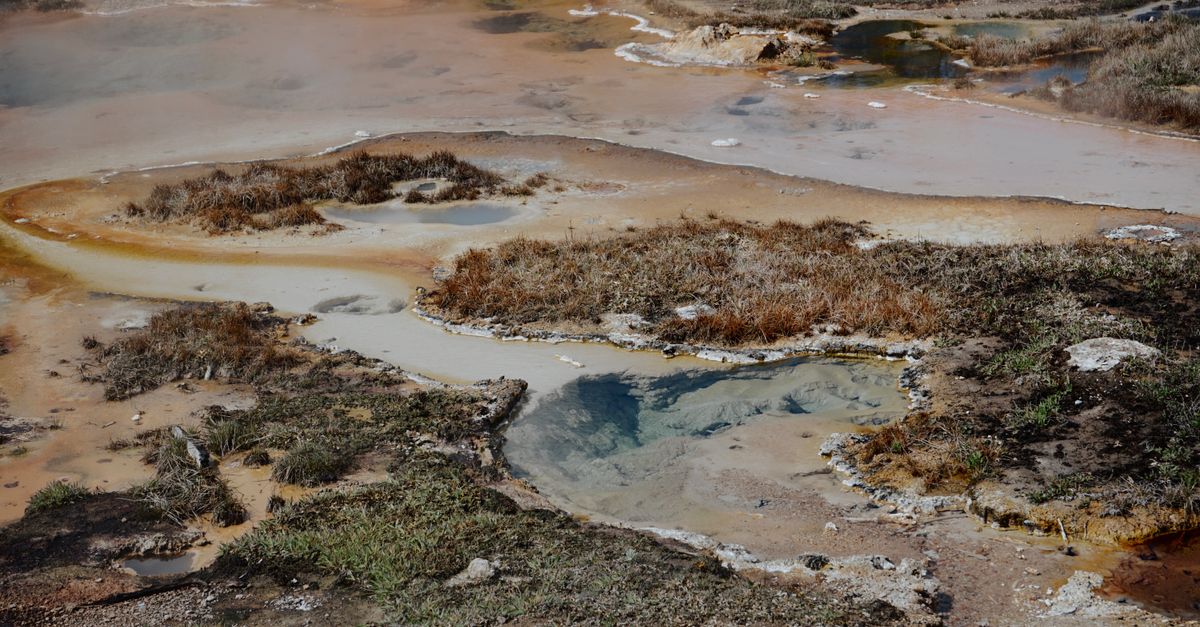
Photo by Solvej Nielsen via Pexels
The thermal pools at Feather River Hot Springs are the real thing. No admission fee, no built structures, just geothermally heated water surfacing from ancient basalt along the riverbank. This is one of the few places where you can soak directly where the water emerges, rather than in pools piped in from elsewhere. A few feet away, the Feather River runs cold and fast.
The canyon walls here are steep, made of volcanic rock laid down during the same geological events that created the Sierra Nevada foothills. The Feather River itself runs clear and fast, designated Wild and Scenic, draining portions of Plumas and Lassen National Forests. During spring snowmelt, the river runs high and cold, making the warm pools feel almost impossibly inviting. By late summer, the river drops, exposing cobblestone beaches that visitors use for river access and camping.
The Water: Chemistry, Temperature, and the Soaking Experience
Feather River Hot Springs produces water that tests at approximately 102°F where it emerges from bedrock, making it naturally hot enough for therapeutic soaking without artificial heating. The thermal water originates deep in the earth, following fracture networks through granite and metamorphic rock before surfacing along the river's eastern bank. This journey imbues the water with dissolved minerals typical of Sierran thermal springs: silica, sodium, bicarbonate, and trace amounts of iron create both the characteristic "slick" feel on skin and a faint mineral taste in the air around the pools.
Temperature varies across the spring complex. The uppermost pools near the source run hottest, sometimes approaching or exceeding the natural emergence temperature of around 102°F. Mid-level pools cool somewhat as the water descends and mixes with minor groundwater infiltration. The lowest pool, where thermal water approaches the river channel, cools to near-body temperature and functions as a transitional soak between hot springs and cold river. This natural temperature gradient means different pools suit different preferences. Visitors seeking intense heat tend to gravitate toward the upper cascades, while those wanting gentler warmth head to the river-adjacent pools.
The soaking experience shifts with season, time of day, and crowd level. At dawn on a weekday in spring, with fog still hanging in the canyon and the river running high, the springs feel almost primordial. The basalt boulders surrounding the pools bear the marks of countless previous soakers, their surfaces worn smooth by bodies and time. Steam rises from the water when air temperatures drop, creating a visual drama that photographs poorly but stays with you.
Summer changes the experience. When Sacramento Valley temperatures climb past 100°F, the thermal water that seemed merely pleasant in March now registers as essential relief. Families appear alongside solo visitors and couples. The canyon provides shade during afternoon hours, and the river offers the classic hot-springs-to-cold-plunge sequence that soaks understand instinctively. Minutes in the 102°F pool, then a plunge into the 58°F river, then back again, chasing that cardiovascular rush that leaves skin tingling and spirits elevated.
Location and Access: Finding Feather River Hot Springs
The springs occupy public land managed by the Bureau of Land Management Redding Field Office, approximately 15 miles northeast of Oroville via State Route 162 (Oroville Dam Boulevard) and a series of county roads. The approach involves no extreme driving, but several miles of the route travel unpaved surfaces that deteriorate during wet weather. A vehicle with reasonable ground clearance handles the roads without difficulty. During summer, standard passenger vehicles manage fine, but the route becomes problematic after heavy rain when clay soils turn slick and treacherous.
From Oroville, the drive takes roughly 45 minutes to an hour depending on conditions. Visitors leaving the Sacramento Valley should expect the temperature to drop noticeably as elevation increases. The canyon sits at roughly 800 feet, but surrounding terrain climbs rapidly toward the Sierra foothills. The route passes through mixed oak woodland and chaparral, with glimpses of the Feather River's canyon visible at various points. The BLM maintains a small parking area at the end of the access road, where an information board displays current conditions and rules.
The final approach to the pools requires a short walk, roughly a quarter mile from the parking area down a well-defined but rocky trail. This trail descends the canyon wall to the river level where the springs emerge. During high water in spring, the lower portion of the trail may become submerged or difficult to follow. Visitors should exercise caution and turn back if conditions appear hazardous. The trail surface consists of native soil, exposed roots, and scattered rocks. Footwear with ankle support and sturdy soles serves better than sandals or flip-flops.
Practical Visitor Information: Cost, Facilities, and What to Bring
Access to Feather River Hot Springs costs nothing. The BLM does not charge fees for thermal spring use, nor does it operate the site as a developed recreation area. This absence of management infrastructure defines the visitor experience. The springs offer no lifeguards, no trash service, no potable water, and no formal camping facilities beyond what the land naturally accommodates. Visitors must practice complete self-reliance, carrying out all trash and minimizing their impact on the riverside environment.
Facilities at the site remain primitive. The BLM installed vault toilets at the parking area, but none exist at the springs themselves. The river provides the only option for washing. Sun exposure can be intense during summer months when canyon walls trap heat. Shade at the pools is limited, and visitors should bring appropriate protection regardless of season. Drinking water is not available, so visitors should carry sufficient supplies for their visit. Hydration becomes critical when soaking in hot water under a canyon sky.
Parking accommodates perhaps 15 to 20 vehicles in the gravel lot, though overflow occurs during peak summer weekends when the lot fills early. Roadside parking outside the BLM boundary creates additional spaces but requires walking the final distance. The site sees heaviest use between May and September, with weekends drawing larger crowds than weekdays. Those seeking solitude should target weekday mornings, particularly in spring when snowmelt keeps the river high and temperatures moderate.
Clothing is optional at Feather River Hot Springs, consistent with the clothing-optional norms that prevail at most natural thermal springs throughout Northern California and the Pacific Northwest. The site occupies a remote canyon location where encounters with non-soakers remain unlikely, and the BLM does not enforce public nudity restrictions. Visitors uncomfortable with naturism should note this policy before visiting. Those who embrace it will find the relaxed atmosphere among the springs' regulars is part of the experience's appeal.
History and Cultural Context
The Feather River Hot Springs have drawn people to this canyon for far longer than recorded history. The Maidu people, whose ancestral territories encompassed the Feather River drainage, used these thermal waters for healing, ceremony, and daily life. The Maidu understood the springs as part of a larger landscape imbued with spiritual significance, where the earth's internal heat emerged at specific locations carrying particular powers. Oral histories preserved by contemporary Maidu communities maintain connections to these places, though specific details remain with community knowledge-keepers rather than public record.
European-American settlement of the region brought new uses for the springs. Nineteenth-century travelers along routes connecting the Sacramento Valley to the Sierra Nevada foothills used the springs as waypoints, recognizing the practical value of free hot water in a landscape where fuel for heating was scarce. The establishment of Oroville and surrounding mining and agricultural communities created a local population that visited the springs for recreation and remedy, passing the knowledge of their location through generations.
The twentieth century brought gradual recognition that the springs and surrounding river corridor warranted protection. The Feather River's designation as a Wild and Scenic waterway in 1968 reflected growing awareness that free-flowing rivers with exceptional ecological values deserved preservation. The springs themselves occupy public land transferred to BLM management, where their continued availability for unmediated soaking reflects a philosophy that some places function best without extensive human modification.
Nearby Attractions: Extending Your Visit
The springs' proximity to Lake Oroville and the Oroville Dam complex offers options for visitors seeking more developed recreation. Lake Oroville, California's third-largest reservoir, provides boating, fishing, and camping facilities managed by the California Department of Water Resources. The lake sits just downstream from the springs, accessible via the same road network, making it possible to combine a sunrise soak with an afternoon on the reservoir.
Other thermal springs in the vicinity reward exploration for those willing to travel. The Butte County area contains several documented hot springs, though few match the Feather River site's combination of riverside setting and public access. Travelers with more time might consider the hot springs scattered through the Sierra Nevada foothills east of the valley, though these often require longer drives on less maintained roads.
The Feather River itself offers paddling opportunities for those with appropriate skills and equipment. The section downstream from the springs runs through increasingly populated terrain before reaching the Sacramento River confluence, while upstream sections penetrate remote canyon country that few visitors explore. River levels vary dramatically by season, making planning essential for any paddling excursion.
Best Time to Visit and Seasonal Considerations
Feather River Hot Springs welcomes visitors year-round, but the experience shifts substantially with the seasons. Spring, from March through May, brings moderate temperatures, flowing water, and relatively light visitation before summer's heat drives crowds to the canyon. Spring soaking offers the classic mountain experience. Cool air, warming water, the contrast between snowmelt chill and thermal heat. Trail conditions may show winter damage, and some pools can be affected by high water, but the reward is genuine solitude.
Summer transforms the springs into a heat refuge. When Sacramento Valley temperatures climb into triple digits, the canyon holds relatively cooler air while the hot springs provide therapeutic warmth that the body craves despite the season. Summer weekends draw the largest crowds, and the parking area fills early on popular days. Weekday visits during summer offer the best balance of accessible roads, reasonable temperatures, and reduced crowding.
Fall brings a second season of ideal conditions. September and October see cooling temperatures, stable weather, and declining visitation as summer recreation shifts elsewhere. The canyon colors change subtly as deciduous vegetation responds to shorter days, and the river drops to its lowest annual levels, exposing cobblestone beaches and warming the water's thermal appeal as air temperatures decline.
Winter visits remain possible but require preparation for cold conditions. December through February sees the fewest visitors and the most dramatic atmospheric conditions. Fog often fills the Sacramento Valley below while the canyon remains clear, creating an inversion that places the springs above a sea of white. Thermal soaking in winter cold delivers the same physiological benefits as summer heat therapy but with different emotional textures. Roads may deteriorate after rain, and some visitors choose to camp at the springs, though overnight stays lack formal sanction.
Feather River Hot Springs offers what so many travelers search for across the American West. Free access, no reservations. The water emerges on its own schedule, indifferent to human calendars. The river runs cold and clear when the snowpack melts and drops when drought grips the mountains. The canyon receives sun in summer and holds warmth through winter nights. These constants remain when visitors depart. For those who appreciate this arrangement, the springs deliver what they have for centuries. Hot water, cold river, canyon light, and the particular peace of soaking where the earth itself provides.