Deep Creek Hot Springs: A Complete Guide to Soaking in Southern California's Hidden Oasis
- September 13, 2026
The Draw of Deep Creek
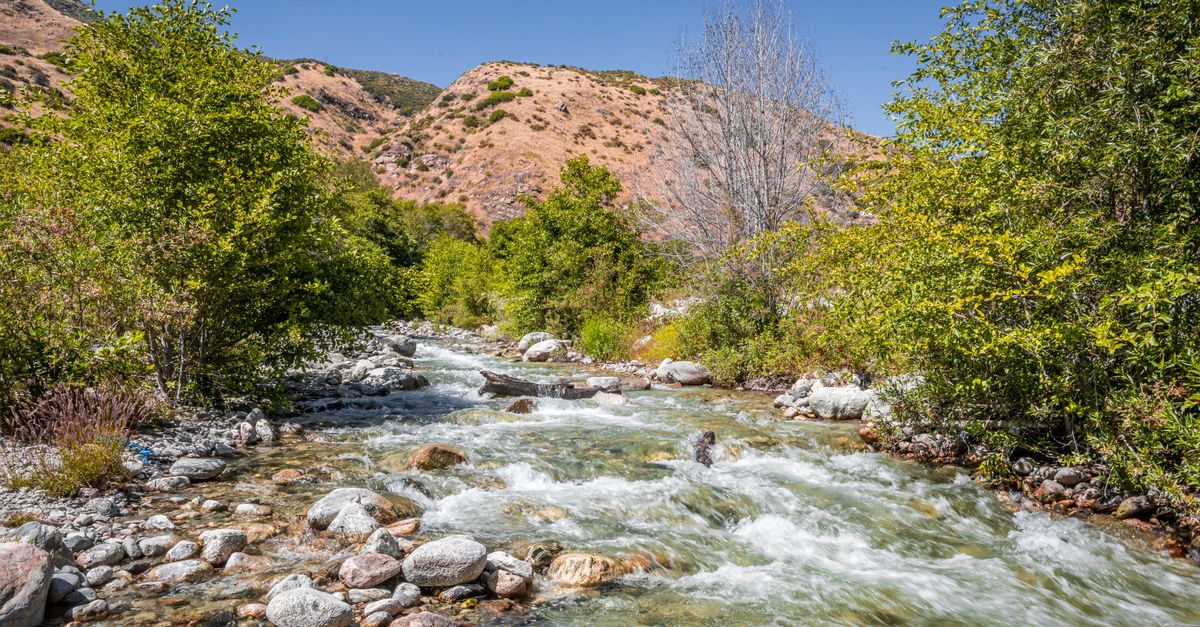
Few places in Southern California offer what Deep Creek Hot Springs delivers: an austere canyon landscape of scrub oak and granite boulders, bisected by a year-round stream, threaded with steam rising from geothermally heated pools. The experience of hiking into this valley, your pack heavy with water and a towel, the afternoon heat bearing down, and then lowering yourself into water that emerges from the earth at nearly 106°F creates a physiological reset that people travel from across the state to find. The hot springs have attracted visitors for centuries, and the tradition continues. Roughly 5,000 people make the pilgrimage annually, according to the San Bernardino National Forest estimates.
This is not a developed resort. There are no changing rooms, no lifeguards, no entrance kiosks beyond the private parking at Bowen Ranch. What you find is raw, natural, and somewhat unpredictable. Some would say that is the whole point.
Accessing Deep Creek: The Bowen Ranch Road
The primary gateway to Deep Creek Hot Springs is Bowen Ranch, a private property that charges $10 per vehicle for parking as of 2024, with day-use fees applied to hikers accessing the National Forest lands beyond. The ranch sits at the end of Bowen Ranch Road, approximately 6 miles east of Highway 173 near Hesperia. The road itself is unpaved and rutted in places. High-clearance vehicles handle it better, though many passenger cars make the journey with careful driving during dry weather.
This private access point matters. Before the Bowen Ranch arrangement was established, visitors faced a maze of conflicting access routes and occasional landowner conflicts. The current system, imperfect as it is, provides a defined corridor into the canyon and funds maintenance of the trailhead facilities. You will pass a small kiosk where you pay the parking fee, then continue to the trailhead lot.
Alternatives exist. Some visitors hike in from the Pacific Crest Trail crossing at Highway 173, adding considerable distance and elevation gain. Others approach from the south via Holcomb Valley. These routes are longer and less maintained, which makes the Bowen Ranch approach the practical choice for most first-time visitors.
The Hike In: Two Miles of Desert Canyon
From the Bowen Ranch trailhead, the path to the main hot springs follows an established route for approximately 2 miles each way. The trail descends steadily into Deep Creek Canyon, dropping roughly 600 feet in elevation before reaching the first major pools. Most hikers complete the journey in 45 minutes to an hour, depending on fitness and the season's heat.
The terrain shifts as you descend. Upper sections wind through piñon pine and juniper, with views of the San Bernardino Mountains rising to the south. Lower sections enter the creek corridor itself, where willows cluster along the water and granite boulders create natural rest points. The trail is rocky in places but generally well-defined. No major stream crossings are required during normal conditions, though seasonal runoff can create muddy stretches in spring.
Difficulty ratings place this firmly in the moderate category. The elevation loss on the way in makes the return trip a workout, and the desert sun adds challenge during warmer months. Families with children and dogs, leashed, make this hike regularly. Anyone unaccustomed to desert walking should allow extra time and carry more water than they think necessary.
The Pools: Natural Rock Formations and Temperature Zones
What separates Deep Creek from other Southern California soaking sites is the distribution of pools along a quarter-mile stretch of the creek. Rather than a single hot spring, you find a gradient of temperatures as the geothermally heated water emerges from fractures in the granite and mingles with the creek's cold flow.
The hottest sources register around 104°F to 106°F, emerging from rock fissures well away from the main creek channel. These scalding seeps suit those who want brief, intense soaks. Ten to fifteen minutes maximum before the heat becomes counterproductive. Downstream, where the hot water disperses into the creek's current, temperatures drop into the comfortable 85°F to 95°F range. These are the pools most visitors occupy for extended soaks.
A typical soaking sequence begins with a scout of the available pools upon arrival. Early arrivals claim the most secluded spots along the creek's north bank, where granite bowls have been carved by millennia of water flow into natural bathing vessels. Later arrivals find the main pools increasingly populated, but the canyon is large enough that solitude remains possible even on busy weekends.
Water quality varies. The US Forest Service monitors the area periodically, and tests generally show the water is safe for soaking, though it is not treated or filtered. Natural sediment and algae accumulate in the warmer pools, and some visitors notice a sulfurous smell near the hottest sources. That smell is evidence of the mineral-rich water working its way up from deep underground aquifers.
The Creek: Cold Water, Warm Contrast
Deep Creek itself runs year-round, fed by mountain springs and snowmelt from the higher elevations of the San Bernardino range. The creek's temperature hovers around 55°F to 65°F even in summer, cold enough to be genuinely bracing when you step in to cool off between hot soaks.
This thermal contrast shapes the soaking experience. The pattern, hot then cold then hot again, increases circulation and creates a metabolic alertness that pure hot-water soaking cannot match. Swimmers wade upstream from the pools to cool down, then return to the heated rocks to warm again. Some visitors bring waterproof sandals or water shoes for the rocky creek bottom, though many soak barefoot.
The creek also shapes the landscape in ways that matter for soakers. Its banks are lined with cottonwoods and willows, providing shade and visual buffer from other visitors. The sound of moving water provides constant white noise, masking conversations and creating a sense of privacy even when the area is occupied. In spring, the creek runs higher and faster. By late summer, it narrows to a shallow channel with pronounced riffles.
Culture and Clothing: Understanding the Norms
Deep Creek Hot Springs operates under an informal clothing-optional tradition that has prevailed for decades. The community that has grown around this site generally expects tolerance for naturism, particularly in the more secluded upper pools away from the main hiking approach. Nudity is not enforced or required, but it is accepted and expected in certain areas.
This culture has roots in the broader history of California hot springs, many of which developed as retreats for those seeking alternative approaches to health, recreation, and social norms. Deep Creek's relative remoteness and lack of formal management have allowed these traditions to persist. New visitors should understand the social expectations: observe before assuming, respect the norms of the groups you encounter, and recognize that the culture exists within a broader framework of shared public land.
Practical note: the area sees families, groups of friends, and couples alongside those who soak nude. No single standard applies universally across the entire stretch of creek. Using good judgment about your own comfort level and observing the specific area you intend to use helps navigate the social landscape.
When to Go: Seasons and Conditions
Spring and fall bring the best combination of weather and pool conditions. April through June typically offers moderate temperatures, reliable water flow, and manageable crowds. September through November provides similar conditions with the added benefit of autumn color in the surrounding chaparral and oak woodlands.
Summer presents the greatest challenge. Temperatures in the canyon can exceed 95°F, making the hike in genuinely arduous and the return even more so. Some visitors solve this by hiking in early morning or late afternoon, soaking during the cooler hours, and hiking out in the evening. This works but requires preparation and awareness of changing light conditions on the trail.
Winter brings low crowds and quiet solitude but introduces cold air temperatures that can make soaking less appealing outside the warmest midday hours. Some pools may run cooler during winter as the geothermal gradient competes with colder groundwater. Rain events can make the trail muddy and, in extreme cases, can temporarily close access due to flash flood risk in the narrow canyon.
Weekdays are substantially less crowded than weekends. Saturday mornings see the heaviest traffic, with the trailhead often full by mid-morning during peak season. Arriving before 8 AM on a summer Saturday offers the best chance of claiming a preferred pool before the crowds arrive.
What to Bring: The Essential Kit
Water dominates the packing list. Most experienced visitors carry at least 2 liters for the round-trip hike, more during summer. The desert atmosphere accelerates dehydration, and the hot springs amplify this effect on the body.
Beyond water, the essentials include a towel (sand-free mats work well for the rocky surfaces), sturdy footwear for the approach trail, sun protection (the canyon offers limited shade on the trail), and a way to secure valuables at the pools. Waterproof bags or dry sacks protect phones and keys during soaks.
Water shoes or sandals protect feet from the rocky creek bottom and the scalding edges of the hottest pools. Many visitors apply waterproof sunscreen before hiking, since reapplying in the canyon is awkward.
Food and snacks matter for longer visits. The hike and soak together typically occupy three to five hours, and the body burns calories during thermal immersion. Light, salty snacks help replace electrolytes lost to sweating.
Trash service is limited. Visitors must carry out everything they carry in, including fruit peels and nutshells that might seem biodegradable. The Hot Springs community and Forest Service have worked for years to keep the canyon clean, and the responsibility falls on each visitor.
The Landscape: Mountains, Canyon, and Sky
Deep Creek Canyon sits at approximately 3,500 feet elevation, part of the transition zone between the high desert of the Mojave and the mixed conifer forests of the San Bernardino Mountains. The visual character changes with the seasons: spring wildflowers carpet the slopes above the creek, summer turns the chaparral gold and brown, autumn paints the cottonwoods in yellow and orange, and winter occasionally dusts the ridgelines with snow.
The canyon walls rise steeply on both sides, composed of granite and gneiss shaped by millions of years of weathering and erosion. The creek has cut a path through these rocks, creating the narrow corridor where the hot springs emerge. At certain points, the walls open into small meadows where willows cluster and birds congregate.
Views from the pools extend up and down the canyon, with ridgelines visible against the sky. The sense of enclosure is pronounced. You are surrounded by rock and water, with the world beyond the canyon rim feeling distant. This topographic isolation contributes to the sense of escape that draws people back year after year.
History: Indigenous Heritage and Modern Traditions
The Deep Creek area holds significance for the Yuhaaviatam, or San Manuel Band of Mission Indians, whose ancestral lands encompass the San Bernardino Mountains and surrounding valleys. The hot springs themselves were gathering places for indigenous peoples, valued for their healing properties and as neutral territory where different groups could meet and trade. Oral histories preserved by tribal members describe the springs as sacred sites integrated into seasonal rounds of resource gathering.
After European settlement, the springs passed through various private ownerships, occasionally serving as stops on regional travel routes. The Bowen Ranch property itself dates to the early twentieth century, when the area was used for cattle ranching. Soaking visitors and local residents used the springs informally throughout the mid-century, with no formal management or designation.
In recent decades, the San Bernardino National Forest has incorporated the hot springs area into its recreational planning, though the lack of formal development means the site remains essentially wild. The Bowen Ranch access agreement represents a pragmatic accommodation between private property rights and public recreation access.
Nearby Attractions: Extending Your Visit
The Hot Springs Valley connects to broader recreational opportunities in the San Bernardino Mountains. Holcomb Valley, a few miles east, offers historic Gold Rush sites and additional hiking trails through pinyon-juniper woodlands. The Pacific Crest Trail passes near the area, and longer-distance hikers sometimes incorporate Deep Creek into multi-day routes.
Lake Arrowhead and Lake Gregory provide developed recreation options for those seeking water activities without the hike. Swimming, boating, and fishing are available. The mountain communities of Crestline and Lake Arrowhead offer restaurants, lodging, and supplies for visitors planning extended stays.
Joshua Tree National Park lies roughly two hours east, making Deep Creek a potential add-on to a desert road trip. The contrast between the mountain canyon and the Mojave Desert creates a compelling itinerary for those with time.
Practical Tips for First-Time Visitors
Arrive early. The Bowen Ranch lot fills quickly on weekends, and hiking in during peak afternoon heat is miserable. An 8 AM start puts you at the pools by 9 AM, with your choice of locations and cooler air temperatures.
Start with a short soak in one of the moderate-temperature pools before attempting the hottest sources. Your body needs time to adjust, and jumping into water above 100°F can cause dizziness or nausea. Hydrate before, during, and after soaking.
Watch the weather. Afternoon thunderstorms develop in the mountains during summer and early fall. The canyon offers limited escape from lightning, and streams can rise rapidly during flash flood events. Check forecasts and be willing to postpone your visit if conditions look unstable.
Respect the space. The canyon accommodates many visitors, but it does not accommodate disregard for others. Keep noise levels reasonable, maintain reasonable distances from other groups, and observe the social norms of the area you are using.
Leave no trace applies with particular force here. The canyon has no trash service, and the combination of high use and limited natural decomposition in the arid environment means that even organic waste persists. Carry out everything, stay on established trails to prevent erosion, and treat the natural pools with the respect they deserve.